Mentorship in Every Direction: Why Senior Leaders Must Stay Teachable
There is a quiet myth that creeps in as you gain rank, responsibility, or reputation: that mentorship becomes something you give, not something you receive. The higher you climb, the more people look to you for answers. Your calendar fills with requests for guidance. Your name carries weight. And somewhere along the way, it becomes easy to believe that you have “arrived.”
But leadership only multiplies the need for mentorship. The more senior you become, the more dangerous it is to assume you have outgrown being mentored. Why is this a hazard?
Humility is not a personality trait in senior leaders. It is a strategic necessity.

Mentorship Is Not Vertical
We often describe mentorship as a vertical relationship: senior leader guiding a junior member. Sure, that dynamic is powerful. Those who walked the path before you can help you avoid predictable mistakes. They can widen your aperture, challenge your blind spots, and accelerate your growth. But mentorship does not only flow downward.
It flows upward. It flows sideways. And sometimes, it flows from those you are technically responsible for leading. If you are a senior leader and all your mentorship is vertical, coming only from those above you, you are missing most of the signal. The modern leadership environment is too complex for that.
Senior Mentorship
Senior-to-senior mentorship often provides what I call pattern recognition. Those further along in their journey see cycles you may not yet recognize. They understand institutional dynamics, political realities, and second- and third-order effects that only experience can teach.
But even here, humility matters. If you seek advice only when it confirms to your thinking, you are not being mentored. You are being validated. Real mentorship sometimes feels uncomfortable. It questions your assumptions. It reframes your narrative. It forces you to reconsider your approach. That requires the willingness to admit that you don’t have all the answers—even when others assume you do.
Peer Mentorship
Peer mentorship is often overlooked because it lacks hierarchy. There is no formal authority in the exchange. But peers see your work up close. They understand the operational realities you face. They can offer honest, situationally grounded feedback in ways that others may not.
Peer mentorship requires vulnerability. It means admitting that even at your level, you are still refining your craft. It also requires generosity. Mentorship among peers is reciprocal. It demands that you show up prepared to give as much as you receive.
In many ways, peer mentorship is the purest form of professional development. It is grounded in shared experience, not positional power.
Junior Mentorship
This is the part that makes some senior leaders uncomfortable. The idea that those junior to you might mentor you. But if you are serious about staying relevant, about leading effectively in fast-moving environments, you must allow it.
Junior leaders often hold expertise in emerging domains:
New technologies
Evolving communication norms
Digital fluency
Cultural shifts
Platform-native ways of working
They see patterns you do not recognize because they grew up in different systems. If you approach them only as subordinates, you will never access that knowledge. But if you approach them with curiosity, asking, listening, and genuinely learning, you gain insight and buy-in.
There is also another layer here: junior leaders mentor you on how to lead them. They teach you what resonates. What frustrates them. What inspires them. What signals authenticity versus performance. If you are willing to listen, they will show you how to become a better leader for the next generation.
In this instance, you not only need humility, but also confidence without defensiveness.
The Industry Pivot: Being Led by Those Who Go First
In the military and veteran community, another dynamic is emerging. Many of our junior peers will pivot to industry before we do. And when they do, the traditional hierarchy dissolves.
The captain or major you once rated may now understand a corporate ecosystem better than you. They may have navigated compensation negotiations, hiring pipelines, and industry norms that you have not yet experienced. If your identity is tied too tightly to rank, this can feel threatening. If your identity is anchored in growth, it becomes an opportunity.
Being willing to call someone junior and say, “Help me understand this space,” is leadership maturity and very, very smart. The best leaders I know are comfortable being beginners again. They know that layers of their expertise and decision capability will be lasting, but that the rest is ephemeral and changing, and they need to change with it.
That said, confidence and vulnerability are not opposites. Humility does not diminish authority. It strengthens it.
I find that people are more likely to trust someone who is willing to say, “I don’t know, walk me through it” than someone who refuses to engage or insists on an outdated answer. This also communicates that your authority is not fragile.
The most insecure leaders cling to the illusion of omniscience. The most secure leaders remain teachable. Mentorship in every direction reinforces that security. It keeps you sharp. It keeps you adaptable. It prevents stagnation. And perhaps most importantly, it models the behavior you want your team to emulate.
If you want your people to seek feedback, you must seek it first. If you want them to experiment, you must be willing to learn. If you want them to grow, you must demonstrate that growth never stops.
Building a Culture of Multi-Directional Mentorship
As senior leaders, we shape culture whether we intend to or not. If we treat mentorship as a one-way transaction, that culture will calcify. It will become rigid and hierarchical. But if we openly acknowledge the mentors in our lives, above us, beside us, and below us, we normalize growth at every level.
You can do this practically. Publicly credit peers who sharpen your thinking. Ask junior team members to teach you about emerging tools or trends. Maintain your own mentor relationships and speak openly about them. Create space for reverse mentoring conversations.
Humility, in this sense, is contagious. So is curiosity.
The bottom line is that no matter how senior you become, you will stagnate if you don’t find a way to continually learn and recalibrate. And you do not just do that from people senior to you. If you remain humble enough to receive mentorship from every direction, you will not only be a better leader, you’ll continue to grow long after others have decided they are finished.
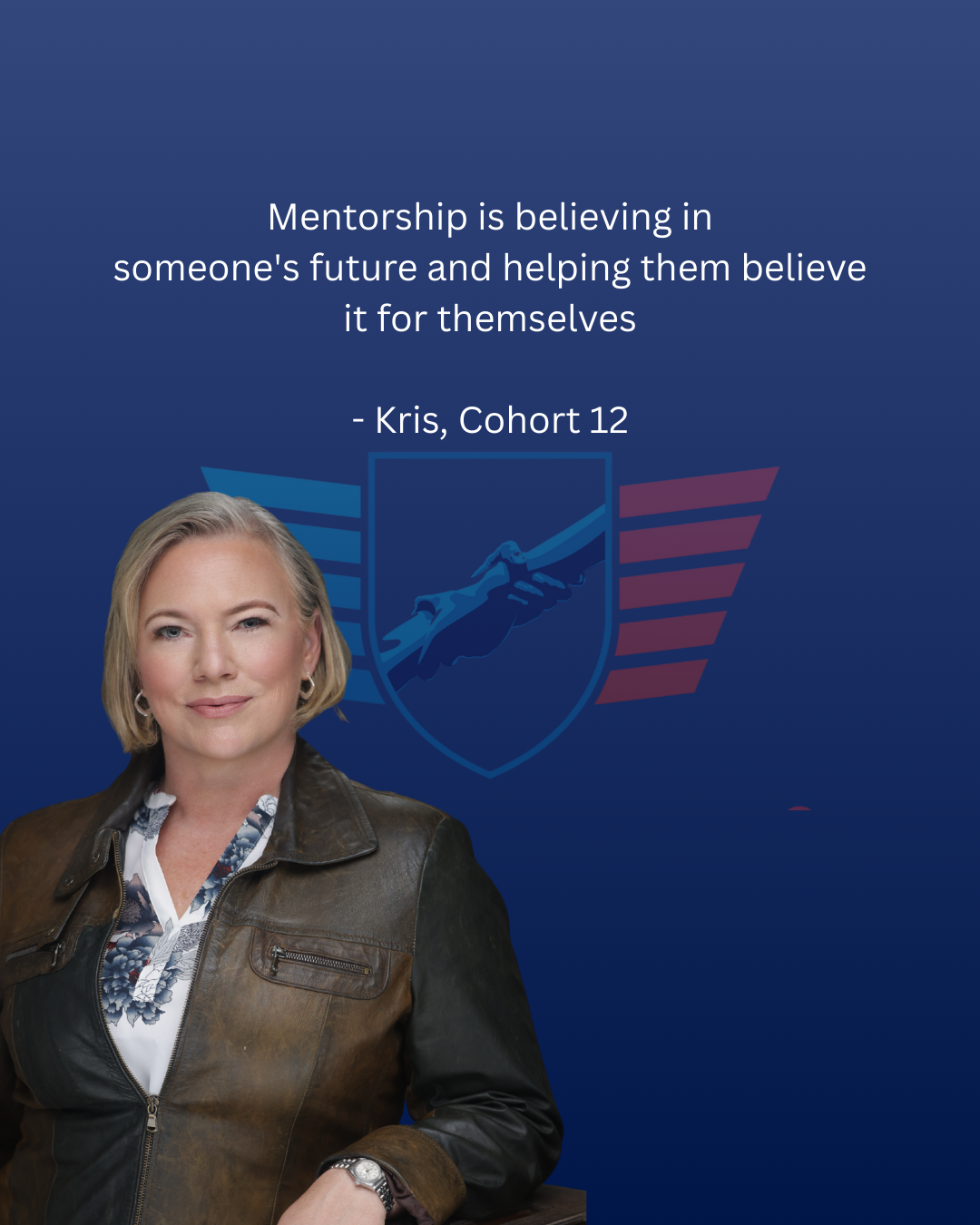
Kris Saling is a trailblazer in government talent transformation, known for leading bold initiatives in data-driven workforce strategy, AI integration, and skills-based talent development across the U.S. Army. Throughout her ten years of talent management reform, she has built solutions that prioritize who people are—not just how many.



Comments